
No one wants to deal with a clogged drain, especially when it happens at the worst time. They’re usually the result of months of buildup, small mistakes, or skipped maintenance. That’s why prevention is always more intelligent than a late-night scramble to fix a backup.
Pacific Plumbing & Rooter Inc in Eugene, OR helps homeowners avoid costly repairs by building simple routines that make a big difference over time. While daily habits help, scheduling a professional drain cleaning once a year is the best way to prevent major blockages. Start making these habits part of your routine, and you’ll thank yourself later.
1. Start With the Way You Use Your Kitchen Sink
Most of the trouble inside your drainpipes starts in the kitchen. Grease, crumbs, coffee grounds, and soap scum all stick to the walls of the pipes. Hot grease might feel like a liquid when it goes down, but it cools quickly and turns solid. Once it hardens, it grabs onto whatever follows it. That turns into a sticky mess inside the pipe, narrowing the opening bit by bit.
Even if you have a garbage disposal, that doesn’t mean your drain can handle anything you throw in it. Eggshells and stringy vegetables can wrap around the blades or form clumps that slow down water. Running cold water while you use the disposal helps move debris, but you still need to be thoughtful. The more carefully you treat your kitchen sink, the less buildup forms below it, and that’s where your best protection starts.
2. Keep an Eye on Bathroom Habits
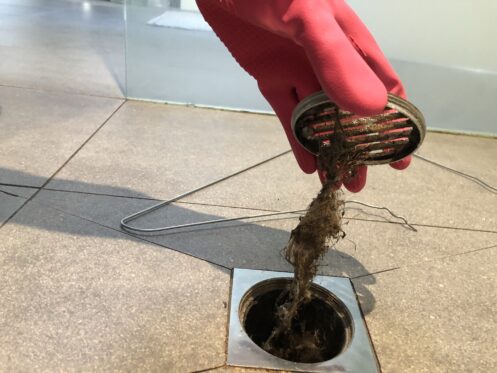
Hair is one of the most common reasons bathroom drains clog. Showers, tubs, and bathroom sinks all collect loose hair, and once that hair mixes with soap residue, it forms a dense, rope-like mess. That mess gets stuck in the drain assembly or settles deeper into the pipes. The buildup creates slow drainage or full-on backups.
Installing a simple hair trap or mesh screen over the drain makes a huge difference. Cleaning it out after each shower may not be glamorous, but it keeps things moving. In bathroom sinks, toothpaste and facial cleansers contribute to gunk buildup around the stopper. That’s where monthly cleanings help, either with a vinegar rinse or by lifting the stopper and clearing debris by hand.
3. Don’t Rely on Chemical Drain Cleaners
When water starts backing up, the temptation to grab a chemical drain cleaner is strong. These products promise fast results, but what they don’t mention is how harsh they can be on your pipes. The chemicals inside many of these cleaners can eat away at older plumbing or create heat that weakens joints and seals. That may clear the clog in the short term, but it can lead to cracks or corrosion later.
If you need to clear a clog, start with mechanical tools like a drain snake or plunger. These won’t harm your pipes and can often solve the problem with a little patience. If you still need help, an enzyme-based cleaner can be a gentler option. These use bacteria to break down organic material over time. They’re not instant, but they’re far less risky. Keeping your pipes healthy long-term means treating them with care, even when you’re in a hurry.
4. Flush With Hot Water on a Routine Schedule
Even if your drains seem clear, invisible buildup can still form inside. Running hot water through the pipes helps loosen greasy residue and flush it down before it turns into something solid. For kitchen sinks, pouring boiling water slowly down the drain once a week can go a long way. Just avoid doing this if you have PVC pipes, since the heat may soften them. In that case, stick with hot tap water and dish soap to help dissolve light buildup.
In bathroom sinks and tubs, using hot water after brushing your teeth or showering helps carry away product residue. These little habits don’t feel like much at the moment, but they add up. Just like brushing your teeth keeps cavities away, flushing your drains helps stop slowdowns before they begin. It’s one of the simplest habits to add, and one of the most effective.
5. Watch for Early Signs of Trouble
The earlier you notice a developing issue, the easier it is to deal with. Gurgling noises, water draining slower than usual, or an odd smell coming from the sink can all be clues. These are signs that something has started collecting in the pipes and is restricting flow. Waiting until the water won’t drain at all puts you in a tougher spot and usually means a more involved fix.
Make it a habit to pay attention when you’re doing dishes or brushing your teeth. If water lingers longer than normal, try flushing with hot water or removing the stopper to check for surface-level blockage. If that doesn’t help, you may need to remove the trap under the sink to check for buildup. Catching things early helps you avoid emergency calls to a local plumber and keeps your system from wearing out too soon.
6. Be Mindful of What Enters Floor Drains
Basement and utility room floor drains often go unnoticed until they become a problem. These drains aren’t just there for floods; they also help manage condensation from water heaters or HVAC systems. If they dry out or become blocked, you could end up with odors or slow drainage throughout your home.
Keep the area around these drains clear and check them a few times a year. Pouring water into them helps restore the trap seal and push any settled debris further down. If you notice a strong smell or slow drainage, the issue might be with that floor drain rather than the bathroom upstairs. Because these drains connect directly to your main line, keeping them clear helps your entire system run better.
7. Use Your Plunger the Right Way
A lot of people own a plunger, but not everyone knows how to use it correctly. If you’re trying to clear a sink or tub clog, the first step is to block any overflow holes. These holes give air a place to escape, which makes plunging less effective. Use a damp rag to seal the overflow, then create a firm seal with your plunger and use slow, steady pumps.
You don’t need to use brute force; what matters more is consistency and keeping that seal intact. After 15 to 20 seconds, pull the plunger off sharply and check if the water drains. If not, repeat a few more rounds. Sometimes the clog just needs a little help moving. Knowing how to plunge correctly turns a frustrating clog into a quick fix without any damage to your pipes or fixtures.
8. Take Seasonal Maintenance Seriously
Changes in weather can affect your plumbing more than you might think. In colder months, pipes contract, and the risk of cracking or joint movement increases. In warmer months, more debris enters your system from outdoor activities, lawn care, and guests visiting. Every season brings different stress points for your drains.
That’s why it helps to take a few moments each season to do a visual check of your plumbing. Look for any signs of leaks under sinks, test how quickly water drains in each room, and double-check that garbage disposals and traps are clear. Adding this to your seasonal home checklist keeps things running better and can help you catch bigger problems before they spiral.
Call Us for Expert Drain Cleaning and Plumbing Repairs Today
Drain care doesn’t have to be a mystery or a massive project. The trick is staying regular, whether that’s checking traps, rinsing with hot water, or thinking twice about what goes down your kitchen sink. These simple practices keep your home’s plumbing in better shape, save you money, and help you avoid those last-minute emergency calls.
For expert drain cleaning or plumbing repairs, schedule service with Pacific Plumbing & Rooter Inc today.