
Water filtration in your Eugene, OR home can help you achieve clean and pure water for things like cooking, cleaning and bathing. Exposure to contaminants can lead to skin irritation, gastrointestinal upset, and long-term health issues. Pacific Plumbing & Rooter Inc can assist with residential water filtration equipment, whether you want to purify your drinking water only, or you’re looking for a whole-house setup for all the water in your home. If you already have this equipment in place, but it will soon reach the end of its life expectancy, water filtration replacement is something we can help with as well.
Water Filtration in Eugene, OR
$200 OFF
Water Treatment System Installs

The Importance of Water Filtration
Different types of filtrations exist. The type of equipment you use will depend on the type of contaminants that are in your water. We recommend starting this process with a water quality test.
There are several water contaminants we see in this area.
- Minerals
- Sediment
- Heavy metals
- Chemicals
For drinking water purposes, many homeowners select a reverse osmosis system. Water pushes through a semi-permeable membrane and then remains in a storage tank until you turn on your drinking water faucet. This setup is slightly different than other filtration options due to the storage tank design. You will need to disinfect this tank at least once annually to prevent the growth of bacteria or other pathogens. You can invest in a reverse osmosis system for your entire home, but it’s a more expensive purchase and requires extensive upkeep.
Multi-stage filtration is customizable based on the type of contaminants in your water. The most common filters are a pre-filter to remove large particulates, carbon filters for the removal of chemicals and a post-filter to get rid of anything that the filtration stages leave behind. There may be other levels of filtration as part of this system as well. Filters will need replacement once every 6 to 12 months. Most units come with an indicator light or alarm that will alert you when there’s an issue with your filter or it requires replacement due to age.
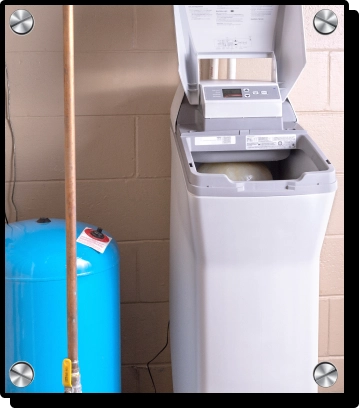
Eugene’s Water Filtration Replacement Company
Pacific Plumbing & Rooter Inc can assist with selecting a water filtration system for your Eugene home. We’re proud to be your plumber as well as your neighbor. Our owners have over 40 years of experience in their trade, prioritizing customer service and satisfaction. We offer 24-hour emergency service and feature positive reviews on our website, Google, Yelp and Facebook.
Contact Pacific Plumbing & Rooter Inc for water filtration in Eugene today.
5-Star Reviews
MORE REVIEWS "Super pleased with the service today! Jed arrived promptly in the AM as promised, and got right to work. Replaced 2 faucets and attended to a few others things. Incredibly personable, took time to make sure I understood the work that was being done, let me ask questions, made sure things were tidy before leaving. You can book PPR with confidence! Honest work and great people."


Contact Our
Team At 

©2026 Pacific Plumbing & Rooter Inc. All Rights Reserved.
License: CCB# 199420. Privacy Policy. Terms & Conditions. ADA Notice . Cookie Preferences. Web Design and Internet Marketing
by RYNO Strategic Solutions