
Many homes in Lebanon, OR, have hard water, either from a well or a municipal source. The Department of Energy estimates that hard water can cost homeowners an average of $800 a year in additional maintenance. This is one reason why water softeners are such valuable investments here. Pacific Plumbing & Rooter Inc also installs water purification systems, providing you peace of mind that your drinking water is clean and healthy.
Water Softener Services in Lebanon, OR
$200 OFF
Water Treatment System Installs

Healthier Water With Water Softeners
Hard water contains high levels of calcium and magnesium. These minerals can form limescale that damages plumbing and dries out skin and hair. Limescale can gradually narrow the diameter of pipes, reduce the lifespan of fixtures like faucets and toilets, and damage water heaters and boilers, ultimately increasing your energy consumption and increasing repair costs.
Our whole-home water softeners are point-of-entry systems, meaning they soften all your water before it enters the home from the main supply line. It’s crucial to choose a flow rate that meets your household needs. A flow rate that’s too low can lead to low water pressure or allow hard water to flow through your pipes.
Typical residential water softeners function by exchanging calcium and magnesium for salt. Most home systems use sodium chloride, as it is both effective and affordable compared to alternatives. The main alternative is potassium chloride, which you can opt for if anyone in your household has health concerns related to salt intake.
Softeners require recharging. You can choose between single- and dual-tank systems. Single-tank systems often recharge overnight and do not soften water while recharging. Dual-tank systems are more convenient, allowing one tank to recharge while the other continues to soften your water.
Watch for the signs you need a water softener for your home:
- Spots on glassware and dishware
- Strange noises from your water heater
- Faded laundry and high detergent usage
- Chalky buildup in showers and around faucets
Can you have both water softening and water purification? Yes, several approaches exist. Some water purifiers contain conditioning stages that address moderate water hardness. Alternatively, you can install a dedicated water softener and water purifier to work in tandem.
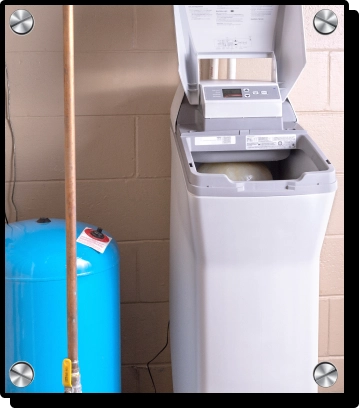
Install Water Purification in Lebanon
Pacific Plumbing & Rooter Inc is a top-rated plumbing company in Lebanon, OR. Since 2013, we have served this region and helped many households improve their water quality. Our licensed plumbers install all brands and models of water purifiers and softeners. We offer free quotes for new installations and replacements, and qualified customers can take advantage of our payment plans.
Do you want to learn more about water softeners and purifiers in Lebanon? Call Pacific Plumbing & Rooter Inc today, or contact us online with your questions or to schedule an in-home consultation.
5-Star Reviews
MORE REVIEWS "Super pleased with the service today! Jed arrived promptly in the AM as promised, and got right to work. Replaced 2 faucets and attended to a few others things. Incredibly personable, took time to make sure I understood the work that was being done, let me ask questions, made sure things were tidy before leaving. You can book PPR with confidence! Honest work and great people."


Contact Our
Team At 

©2026 Pacific Plumbing & Rooter Inc. All Rights Reserved.
License: CCB# 199420. Privacy Policy. Terms & Conditions. ADA Notice . Cookie Preferences. Web Design and Internet Marketing
by RYNO Strategic Solutions