Spring is an excellent time to inspect your plumbing system and perform maintenance and repairs as needed. Winter can be hard on a plumbing system due to freezing temperatures that stress pipes and connections. The transition from winter to spring brings the potential for thermal expansion and contraction and soil movement. Then comes summer, when many household significantly increase their hot and overall water usage. That can have an effect on your appliances, plumbing fixtures, drains, and sewer line.
1. Schedule a Whole-Home Plumbing Inspection
Homeowners should schedule a comprehensive plumbing inspection once a year, and early in the spring is an ideal time for it. The harsh winter has just passed, and the demanding summer lies ahead. A plumber can identify any issues and recommend maintenance and repairs as necessary. That can include a review of all your visible plumbing, including under your sinks. A plumber will check pipes in water heater closets, mudrooms, crawl spaces, and basements. It’s also an opportunity for camera inspections. High-definition cameras can reveal accumulation and even clogs in drains, water pipes, and your sewer line.
2. Get Your Indoor Plumbing Fixtures Ready
You should replace all your faucet aerators and have your shower heads professionally cleaned. If you haven’t done so yet, upgrade to low-flow aerators that will lower your water consumption. Likewise, low-flow shower heads can reduce consumption without noticeable loss of water pressure. If you have dripping faucets and other common issues, have your plumber replace washers, O-rings, and faucet seats as needed. If you have running toilets, replace their flappers or their entire tank assemblies if they’re old. Spring is also an optimal time for garbage disposal maintenance. A plumber will inspect it, clean it, and correct any normal wear and tear. That will help you avoid malfunctions and safety issues in the summer ahead.
3. Maintain Your Water Heater
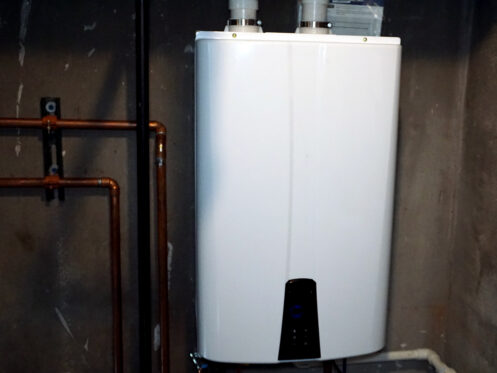
Spring water heater maintenance can lower your water heating bills, prevent malfunctions, and extend the life of your system. The work that is needed depends on your equipment. All water heaters can benefit from a multipoint inspection and thorough cleaning. Traditional tank water heaters need flushing to remove sediment from the tank. A plumber will also check the sacrificial anode rod and replace it if it’s corroded. Tankless water heaters require descaling. That’s where a plumber cycles vinegar and water through the system with a recirculating pump. A plumber will also clean or replace any air and/or water filters as needed.
4. Service Your Primary and Backup Sump Pump Systems
Ideally, you should schedule professional sump pump maintenance ahead of the first thaw. From this point throughout spring, there’s a risk of flooding due to heavy rains and higher water tables. Both the primary and battery backup pumps require a multipoint inspection and thorough cleaning. Maintenance typically includes correction of any normal wear and tear, such as replacing the float switch. A plumber may recommend more significant repairs as needed. It’s better to replace a worn ball bearing now, for instance, than wait for it to fail. If your pump is older than seven years and needs significant repairs, replacement may be the better option.
5. Enhance Drain and Sewer Line Health
If you have inefficient drainage in sinks, tubs, showers, or toilets, drain clearing and other rooter services are options. Households prone to drainage issues should consider preventative drain cleaning. This high-pressure technique removes limescale, soap scum, and other accumulations from drain pipes. If your drainage issues originate in your sewer line, then hydro jetting will be the more effective service. A hydro jet sends a powerful stream of water through your sewer line. It can clear hardened grease, invasive tree roots, and many other obstructions. It will also clean the inner pipe walls to help prevent clogs in the near future.
6. Prepare Your Outdoor Fixtures and Systems
If you winterize your outdoor plumbing, you’ll need to undo those steps. That includes opening the outdoor shut-off valve, if applicable, and removing any winter covers. Inspect all your hose bibs for cracks and other damage. Connect your hoses, run the water, and check for leaks. If you have a built-in irrigation system, you’ll need to schedule professional maintenance for it as well.
7. Improve Your Water Pressure
Use a water pressure gauge to test multiple fixtures inside and outside your home. The pressure should be somewhere between 40 and 60 pounds per square inch. Low pressure from a single fixture could indicate a local leak or a clogged aerator. Low pressure from multiple fixtures or even throughout a home indicates a more serious problem. It could be a major leak, mineral buildup in older pipes, or a partially closed or damaged shut-off valve. It’s important not to ignore high pressure either, as it can damage your pipes and appliances. In some cases, you may need to have a professional install a pressure-reducing valve to deal with it.
8. Ensure Optimal Water Quality and Water Hardness
Have your water quality professionally tested at least once a year. If you have a water purifier and/or a water softener, those systems need professional maintenance. That includes a multipoint inspection and sanitization. If you want to ensure clean drinking water, you can install a point-of-use or point-of-entry water purifier. A water purifier can remove particulates, chemicals, gases, and even pathogens. For hard water, you should install a whole-house water softener. A water softener will protect your pipes, fixtures, water heater, and other water-using appliances.
9. Review Your Gas Plumbing
It’s also essential to have your gas lines professionally inspected. A plumber will calibrate the gas valve and correct any wear and tear that could lead to safety issues. This is also an opportunity to consider upgrades. Many gas pipes in older houses, for instance, don’t have a large enough diameter for high-efficiency appliances. If you plan to upgrade, you can prepare for those improvements by installing larger-diameter connections.
10. Upgrade Drainage Around Your Home
Have your gutters professionally cleaned to ensure proper drainage. Overflowing gutters can negatively impact your foundation, crawl space, or basement. Make sure you have appropriate downspout extensions. They should channel rainwater away from your foundation and hardscapes. If you are prone to water ponding near your foundation, consider installing dedicated drainage. The right drains can help keep water out of your crawl space or basement and ease the workload on your sump pumps.
Plumbing Maintenance in Eugene, Springfield & the Surrounding Areas
Pacific Plumbing & Rooter Inc is a trusted plumbing company based in Eugene, OR. Our team is proud to serve homeowners throughout Lane County and the surrounding areas. We offer a maintenance agreement that can save you money and prevent major plumbing problems. It includes video inspections, comprehensive maintenance, and priority service. You can also count on us for water heater maintenance, drain cleaning, hydro jetting, and much more. To schedule a service appointment, call today or contact us online.