Professional Pipe Repair & Replacement
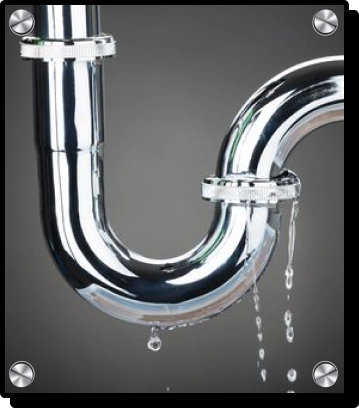
What is the difference between pipe repair and pipe replacement? Both approaches aim to restore performance and avoid further damage. The ideal approach often depends on the condition of the pipe. If you have a leaking valve but a pipe in good condition, it makes sense to just replace that part. If the pipe has corrosion, replacing the entire pipe along with any connections usually works best.
Watch for the signs you have a pipe we need to repair or replace:
- Slow drainage
- Reduced water pressure
- Discolored or unpleasant smelling water
- Higher consumption and bigger water bills
- Mustiness and other signs of mildew and mold
What’s the difference between trench and trenchless repair and replacement? Trench plumbing involves excavation, which may be necessary when repairing or replacing a pipe buried underground.
Excavation can make a plumbing project expensive, time-consuming, and disruptive, so plumbers usually recommend trenchless repair whenever practical. This isn’t an issue for pipes under sinks and behind walls, as those are relatively easy to access.
Among the most common approaches to trenchless repair are cured-in-place piping (CIPP) and pipe bursting. CIPP uses a pipe liner saturated with an epoxy resin. The plumber inserts the liner into the pipe to repair it and then inflates it. The resin-impregnated liner then cures, restoring the inner wall of the pipe. Pipe bursting involves breaking up the existing pipe while simultaneously installing a new pipe in its path.
CIPP generally costs less than pipe bursting and offers more versatility, making it a solution for a wide range of pipe-related issues. Pipe bursting, however, proves more reliable and effective in certain scenarios, such as when replacing a sewer pipe.