Turn Off the Water Before It Spreads
The first thing you need to do when a plumbing problem hits is stop more water from flowing. That usually means heading to your main shutoff valve. In most homes, you’ll find it near where the water line comes into the house, often around the perimeter or in a basement. If you wait too long, even a small leak can spread through drywall or flooring fast. Water doesn’t stay in one place.
It finds the lowest point and keeps moving. Turning off the main supply gives you a fighting chance to stop the damage from getting worse while you wait for professional help. If it’s just a toilet or a sink, you might be able to shut off the valve right behind the fixture. But when in doubt, go straight for the main valve. That step alone can save you thousands in cleanup costs and avoid a massive insurance headache.
Check Where the Water Is Coming From
Once the water is off, take a closer look at what caused the problem. You don’t need to fix it yourself, but knowing what you’re dealing with helps you respond better. A burst pipe will leave a wet mess around walls or ceilings, and it usually sounds like rushing or spraying.
A clogged drain might back up into sinks or tubs, especially if the clog is deep in the line. Water around the base of a toilet could be from a seal failure, not a water line break. Don’t assume every leak is the same. Some is clean water. Others might involve wastewater, which brings added health risks. If you see water that looks dark, smells off, or comes from a basement drain, stay clear until a plumber can investigate.
Grab Towels, Buckets, and a Mop
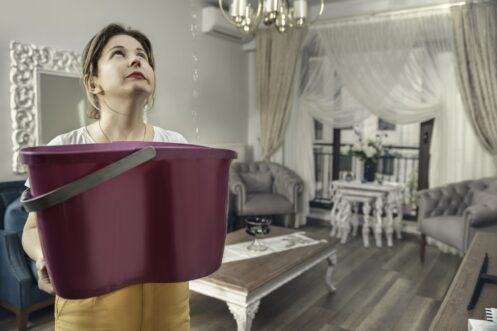
With the water shut off and the source identified, the next step is cleanup. You want to contain the mess as best you can. Lay down towels or use a mop to keep the water from soaking into baseboards or seeping through the floor. Buckets can catch drips from overhead pipes or slow leaks under sinks. The quicker you get ahead of standing water, the better chance you have of avoiding warped floors, peeling paint, or hidden moisture that could lead to mold.
If the leak is still dripping and you’re waiting for help, make a barrier with towels or rags to keep it from spreading further. Don’t worry about drying everything completely, just focus on stopping the water from reaching areas that are harder to dry out, like carpet padding or inside walls. Keep fans running if you have them, and leave the windows open if it’s dry outside.
Protect Your Belongings
It’s easy to forget your belongings in the middle of a plumbing emergency. But acting fast can save a lot of personal items from damage. Move rugs, furniture, and anything with fabric or wood legs out of the way. Water can wick up through fabric and soak into materials quickly, leaving permanent damage behind. If boxes are on the floor, especially cardboard ones in closets or basements, lift them and move them to a dry area. Electronics should be unplugged and moved as soon as possible.
Even if they weren’t directly hit, humidity and damp air can still cause problems. Take photos if anything is already damaged. That’s useful for documentation later. You can always deal with paperwork and cleanup, but once sentimental things like photo albums, books, or heirlooms are soaked, they’re hard to recover. It’s worth pausing and giving those priorities while you have time.
Keep Kids and Pets Away
An active leak or a soaked floor creates more than just property damage. It can quickly become dangerous for kids and pets. A slippery floor, an open wall, or a puddle around electrical outlets is nothing to mess with. If you’re waiting for help and walking around with fans, buckets, or tools, a curious toddler or pet can add stress or make things worse. It’s better to block off the area entirely.
Close doors if you can, or put up a barrier like a baby gate. If the leak is in a main living space, set up a temporary hangout spot in a dry area. This is one of those times when screen time or snacks in a new room are worth it. Keeping everyone safely out of the mess means you can focus on what needs attention without having to look over your shoulder every few minutes. If it’s a hidden leak, it’s especially important to turn off the water so that a leak detection plumber has time to find it without it causing more damage.
Don’t Touch Any Electrical Connections
If water is near any kind of wiring, light switch, or outlet, don’t go near it. Water and electricity do not mix safely. A soaked outlet or a wet extension cord can turn a small emergency into a very serious one. If you suspect water has reached wiring, turn off the power to that part of the home. Use your breaker panel, not the switch at the wall.
If the main breaker is safe and dry, you can shut off specific zones from there. But if you’re not sure, leave it alone and wait for professional help. Better to go without power in one room than risk a shock. It might also help to unplug anything nearby, like lamps or chargers, but only if the outlet is dry and you don’t feel any moisture. Your safety matters more than saving a device or rushing through cleanup. Let trained experts check the area first if you’re unsure.
Know When to Leave the House
Most plumbing emergencies are messy but manageable. But there are times when staying inside makes things worse. If water is spreading fast and you can’t stop it, or if you suspect the water has come into contact with sewage, gas lines, or major electrical systems, it’s safer to wait outside. You don’t have to panic. Just give yourself and your family a safer place to wait.
Sit in your car or walk to a neighbor’s house while you call for help. Breathing clean air and keeping your distance from contaminated water gives you a better shot at staying healthy and calm. Let the professionals go in and assess what’s happening once they arrive. Once things are stable and plumbing repairs are done, you can return to check on damage and start cleanup with the right gear and advice. Leaving temporarily isn’t a failure. It’s often the smartest thing you can do when the problem gets out of hand.